If your FYP has been screaming “wolf cut” at you for the last two years, congrats — you’ve been personally victimized by the internet’s favorite feral haircut. And honestly? I get it. One minute you’re peacefully scrolling, the next you’re saving 37 screenshots of a wolf cut girl in chunky layers, whispering “g 𝓼𝓸 𝓫𝓮𝓪𝓾𝓽𝓲𝓯𝓾𝓵, of course.” like it’s a prayer.
But before you go wolf cutting hair in your bathroom like it’s an Olympic sport, let’s talk: what is a wolf cut, who does it actually flatter, and how do you ask for it without leaving the salon looking like you lost a fight with a leaf blower?
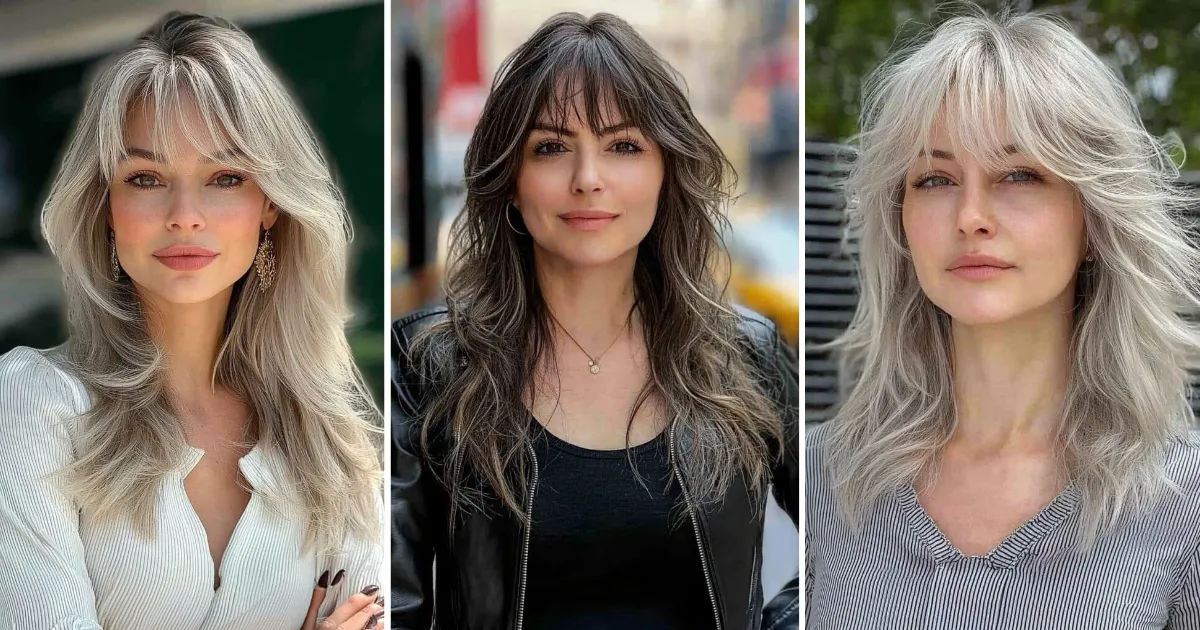
So, what is a wolf cut? Think of it as the love child of a ’70s shag and an ’80s mullet — chaotic, textured, and weirdly chic when done right. It’s heavy on choppy layers up top (hello, crown volume), with longer lengths left hanging for that “I woke up like this” menace. The point is movement, texture and a little attitude.
And yes, people spell it every possible way online — wolfcut haircut, wolf cut haircut, wolf cut (typo queens, we see you), even “hairstyle wolf” like Google’s a confused grandma. But the idea stays the same: messy on purpose, flattering by design.
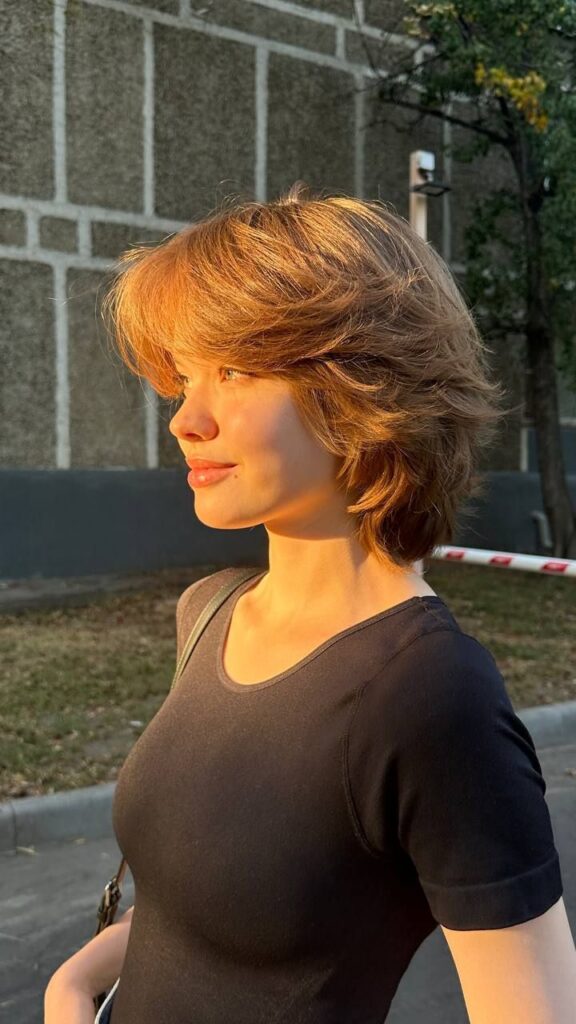
The wolfcut didn’t just trend — it stuck. Why? Because it makes hair look thicker, bouncier, and more “main character” with minimal daily suffering. The cut leans into texture: waves get wavier, curls get springier and straight hair finally gets some personality.
Plus, it’s customizable. You can go long wolf cut, short wolf cut female, or somewhere in the middle where you’re “just trying something new” (famous last words).
If you need celeb receipts before committing, the wolf haircut women club is not short on members. Miley Cyrus helped mainstream the vibe, Billie Eilish has played with heavily layered silhouettes adjacent to the wolf family tree and even Selena Gomez flirted with a wolf cut + bangs moment (wig, but still a cultural event).
Translation: you won’t be alone. You’ll be… trend adjacent with plausible deniability.
Walk into the salon and say this (calmly, like you pay taxes):
“I want a wolf cut hair shape — shaggy layers with volume at the crown, longer length through the ends and face framing pieces.”
Then add your specifics:
Pro tip: bring photos. Your words mean nothing; your camera roll is the real contract.
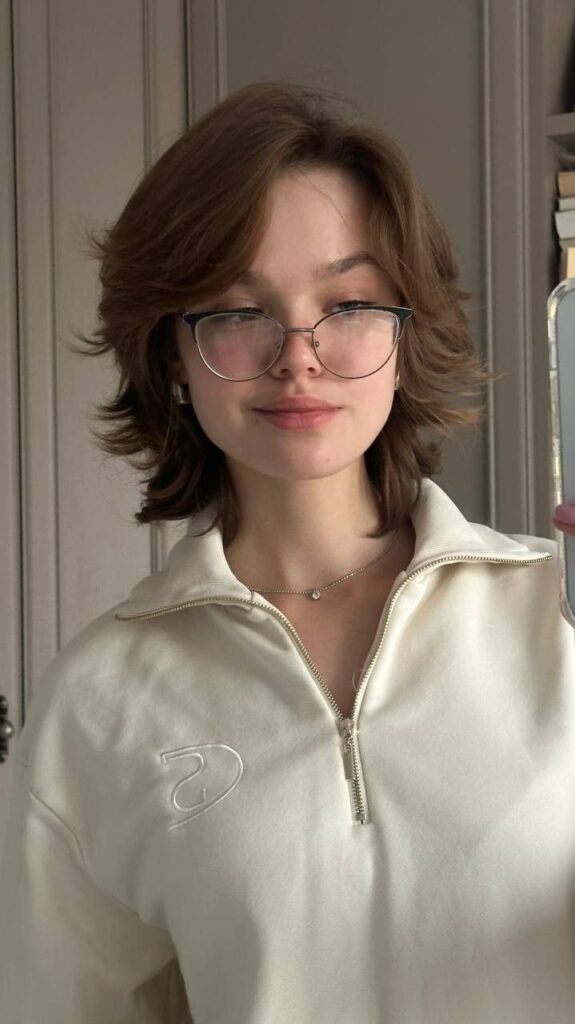
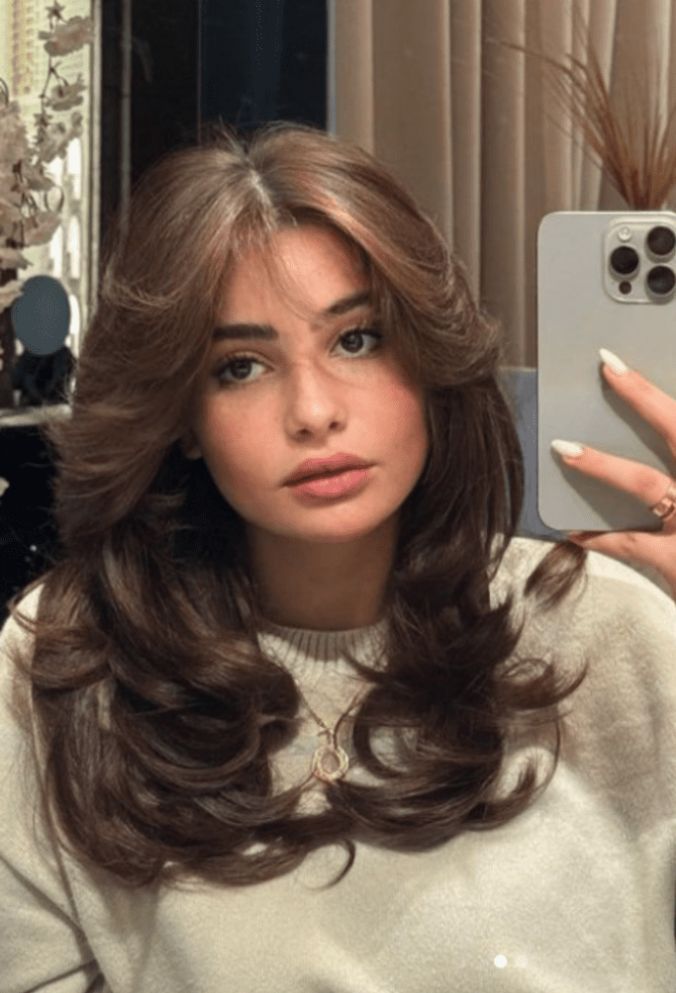
Those who are emotionally committed to their length but yet want drama should have a lengthy wolf cut. Even if you’re Bein—yes, Bein—held together by dry shampoo and hope, you’ll still have airy layers, bounce and that “expensive hair” impression. A wolf cut with bangs is particularly adorable because it frames the face and gives the appearance of deliberate style.
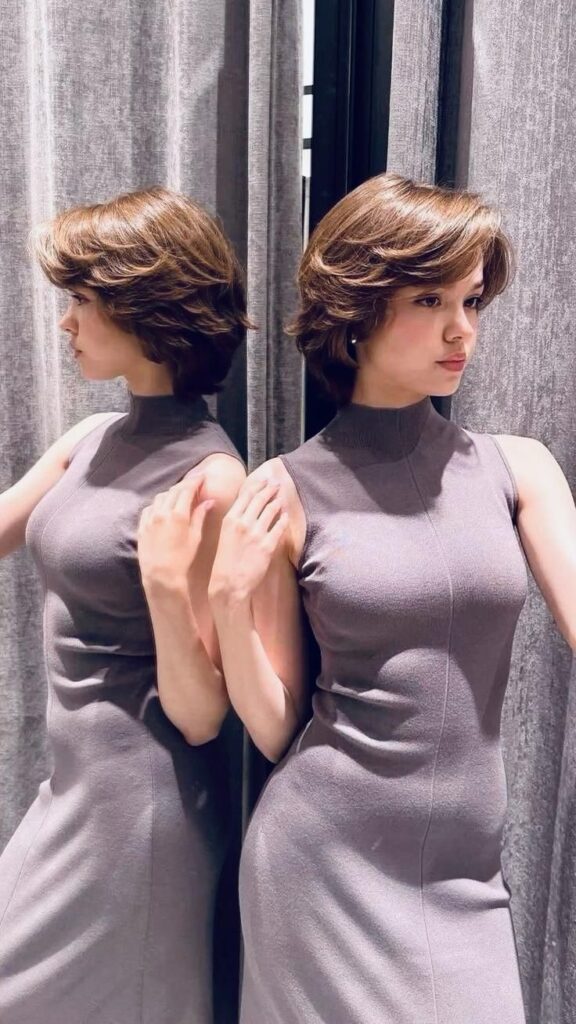
Short wolf cut female energy is louder. More texture, more edge, more “don’t talk to me unless you’re bringing snacks.” It can be insanely flattering but only if your stylist respects your hair texture and doesn’t over thin the ends into sadness.
Voice-search moment, because we know you’re asking your phone at 1 a.m.:
What is a wolf cut best for?
In short: a wolf cut can work for a lot of people — it’s the execution that separates “cool” from “I regret everything.”
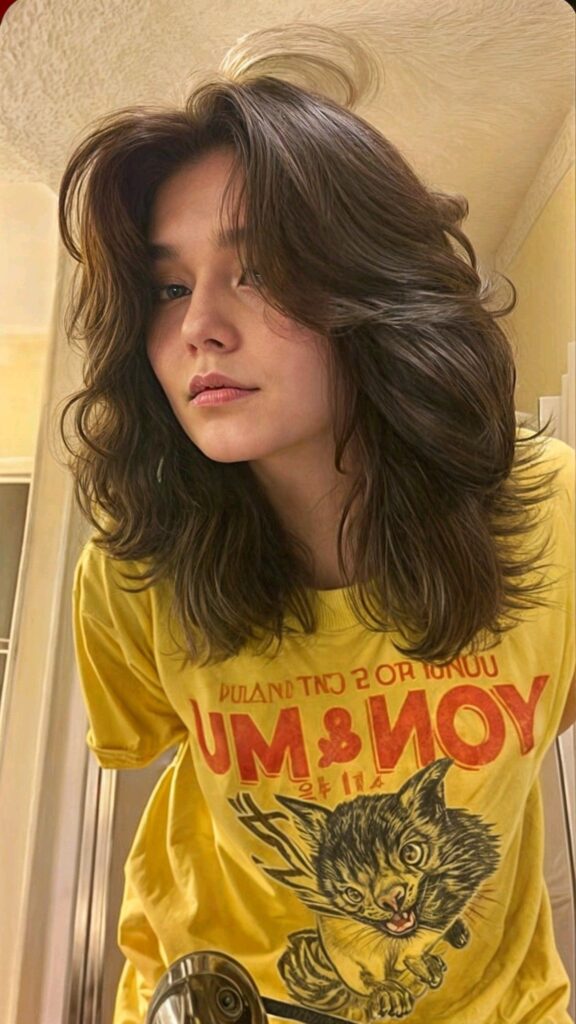
The whole point is tousled. Not “I didn’t wash,” but “editorial mess.”
Try:
And if you’re into the whole wolf cutting hair DIY rabbit hole… please don’t. The internet tutorial makes it look easy; real life makes it look like a cautionary tale. (If you must, at least do a test snip and hide the evidence.)
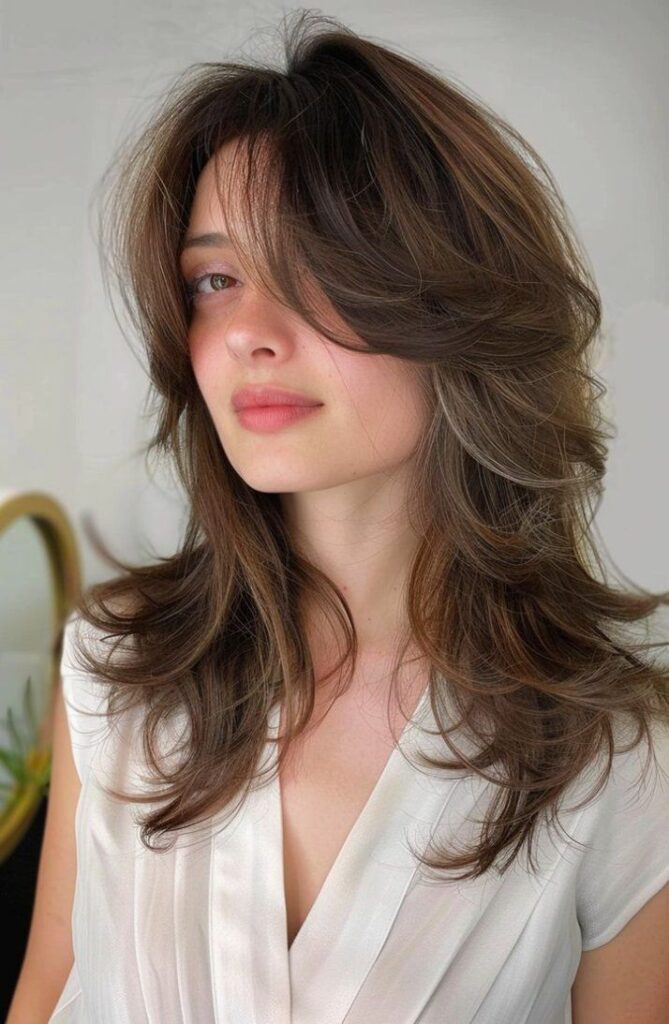
If you want volume, movement, and that “I have a personality” silhouette, wolf cuts deliver. If you hate styling and your hair is ultra-fine, choose a softer version of a wolf cut instead of going full wolf cut chaos.
Either way, if someone asks what you got done, just smile and say: “wolf cut.” Let them spiral. You’re busy being iconic.

The straight-talking beauty oracle with a passion for the perfect finish! Neha is the visionary brain behind the Beauty Zone, dedicated to cutting through the marketing noise to deliver the unfiltered truth about the products hitting your vanity. Believing that “your glow shouldn’t come with guesswork,” she pairs expert application with brutally honest reviews to ensure you never waste a drop on the hype. Whether you’re hunting for a holy grail or avoiding a viral flop, Neha is your go-to guide for all things glam. Let’s connect to refine your kit and master the art of conscious beauty!