

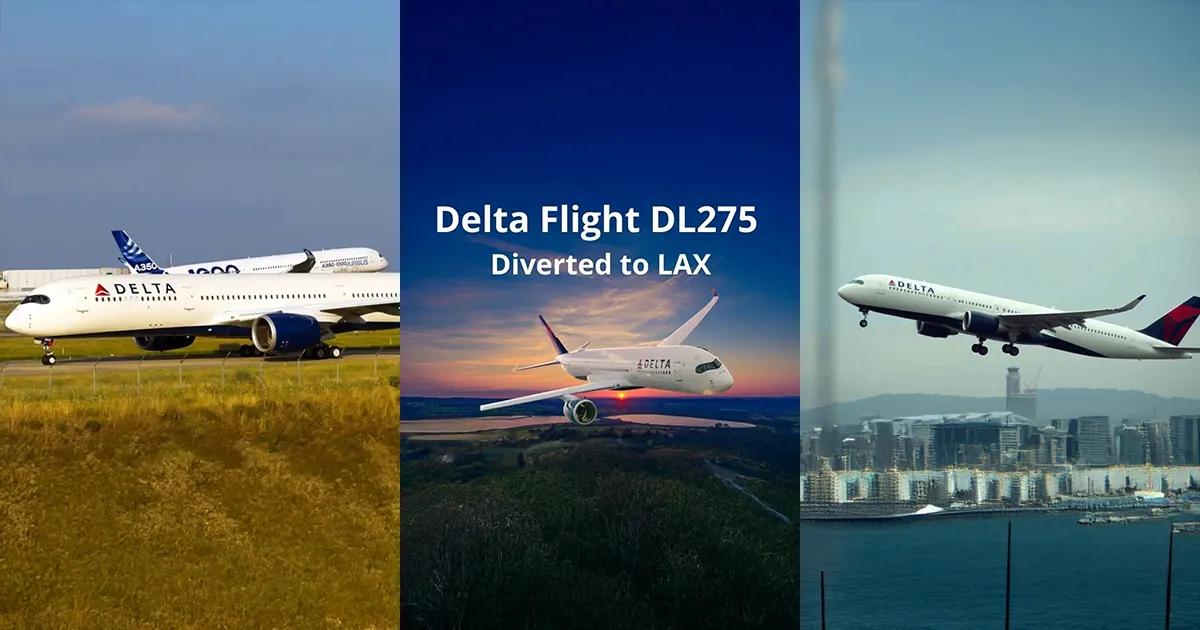
Ever noticed how one unexpected moment can hijack an entire narrative? That’s precisely what happened when the Delta Flight DL275 diverted to LAX. What started as a routine long haul journey from the Detroit to Tokyo suddenly became the aviation’s most watched reroute. At Vogue Trendz, we don’t just track runway drama — we decode what it really means for you. Because whether you’re flying for fashion week, a red-eye reunion or a career-defining moment, safety stories like this shape how we move through the world.
So, let’s unpack the facts, the decisions and the ripple effects—without panic, jargon or recycled headlines.
The aviation trackers immediately lit up as the Delta Flight DL275 diverted to LAX. This wasn’t a weather mishap or a short trip. It was a transpacific Airbus A350 that made a strategic turn midway through its journey. That detail alone made it clear this was a deliberate, safety driven call—not a casual change of course.
We’re talking about a modern aircraft, the advanced engines and an experienced crew choosing the caution over convenience. A problem with the engine anti-ice system which is a very important safety measure at cruising altitudes, caused the flight to divert. Passengers stayed safe throughout but the action highlighted a crucial reality. Precision always wins out over persistence in flight.
For you as a traveler, this moment matters. It shows how airlines prioritize lives even when the financial and logistical stakes are sky-high.
Let’s simplify what caused Delta Flight DL275 diverted to LAX in clear terms. The engine anti-ice system prevents ice buildup at high altitudes, where invisible ice crystals can disrupt airflow. When this system shows irregular behavior, continuing over remote oceanic regions becomes a risk.
Pilots don’t “wait and see” with systems like this. They act early. In this case, cockpit alerts pointed to reduced protection margins. That’s enough to call it. The crew coordinated with Delta’s operations team and chose the safest airport with the strongest support network.
This decision wasn’t dramatic. It was disciplined. And discipline is the backbone of modern aviation safety.
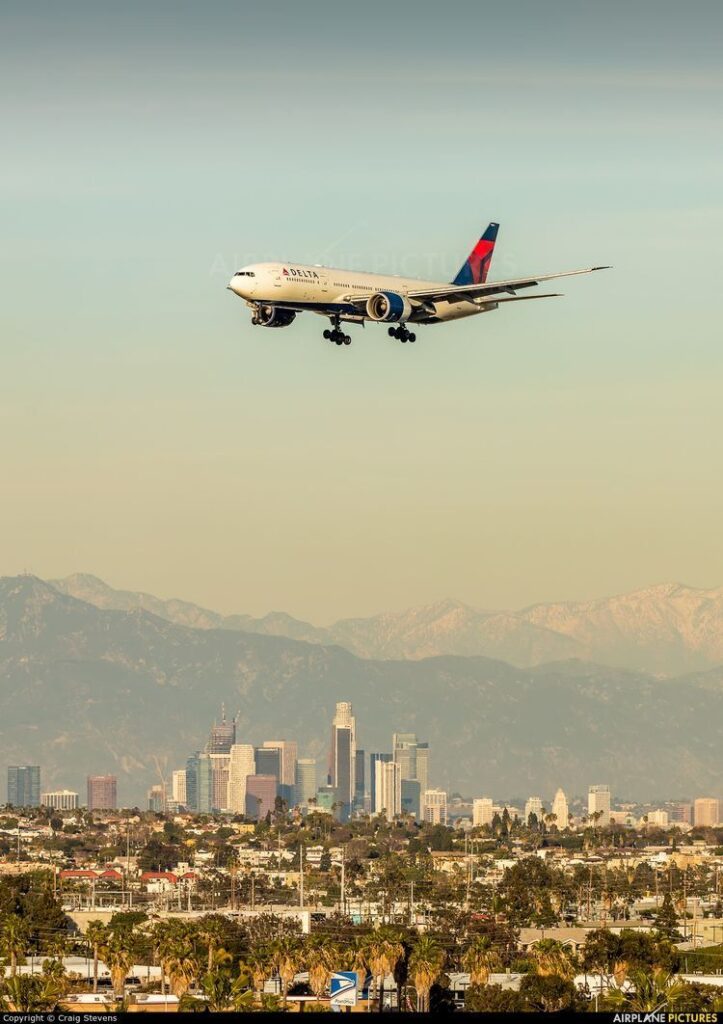
You might wonder why Delta Flight DL275 diverted to Los Angeles International Airport (LAX) instead of a closer airport. Distance isn’t the only factor. Capability matters more.
LAX offers certified Airbus A350 maintenance facilities, trained Rolls-Royce engine specialists, long runways and international passenger handling capacity. That combination is rare. While Alaska or West Coast alternates existed, Los Angeles gave the crew everything they needed—fast diagnosis, passenger care and minimal operational chaos.
Think of it as choosing a fashion house atelier over a quick tailor fix. Precision wins.
The Delta Flight DL275 diversion unfolded calmly from the passenger’s perspective. Cabin crew followed the protocol. Updates came steadily. There was only the calm professionalism, neither panic nor an emergency stance.
Once on the ground, Delta teams stepped in. Rebookings, hotel arrangements and onward options were prioritized. While delays are frustrating, transparency matters more. And by most accounts, communication stayed clear and composed.
For you, that’s the takeaway. A diversion isn’t just about aircraft systems. It’s about how people handle disruption when plans suddenly shift.
Here’s the part that headlines skip. When Delta Flight DL275 diverted to LAX, the financial impact was massive. Fuel burn, landing fees, maintenance checks, crew scheduling and passenger reaccommodation add up fast. Estimates place the cost in the millions.
Yet airlines absorb this willingly. Why? Because the safety failures cost far more—financially and reputationally. This is the quiet math behind every conservative call a pilot makes. At Vogue Trendz, we respect those who protect trust, even when it hurts the balance sheet.
Incidents like Delta Flight DL275 diverted to LAX don’t fade quietly. They feed data into the predictive maintenance systems, engine health monitoring and AI driven diagnostics. These tools aim to spot faults before wheels ever leave the ground.
The industry is moving from reactive fixes to proactive prevention. That means fewer surprises, smarter scheduling and safer skies. For frequent flyers, that evolution matters more than any single headline.
Here’s the Vogue Trendz truth. Delta Flight DL275 diverted to LAX isn’t about fear. It’s about confidence. Confidence that systems work. Confidence that crews choose caution. And confidence that your safety outweighs schedules.
This story reminds you that aviation’s real elegance lies in restraint whether you’re jetting to Tokyo, Paris or your next big moment. Knowing when to pause is power. And just like the great style, when safety is done right, it looks effortless.